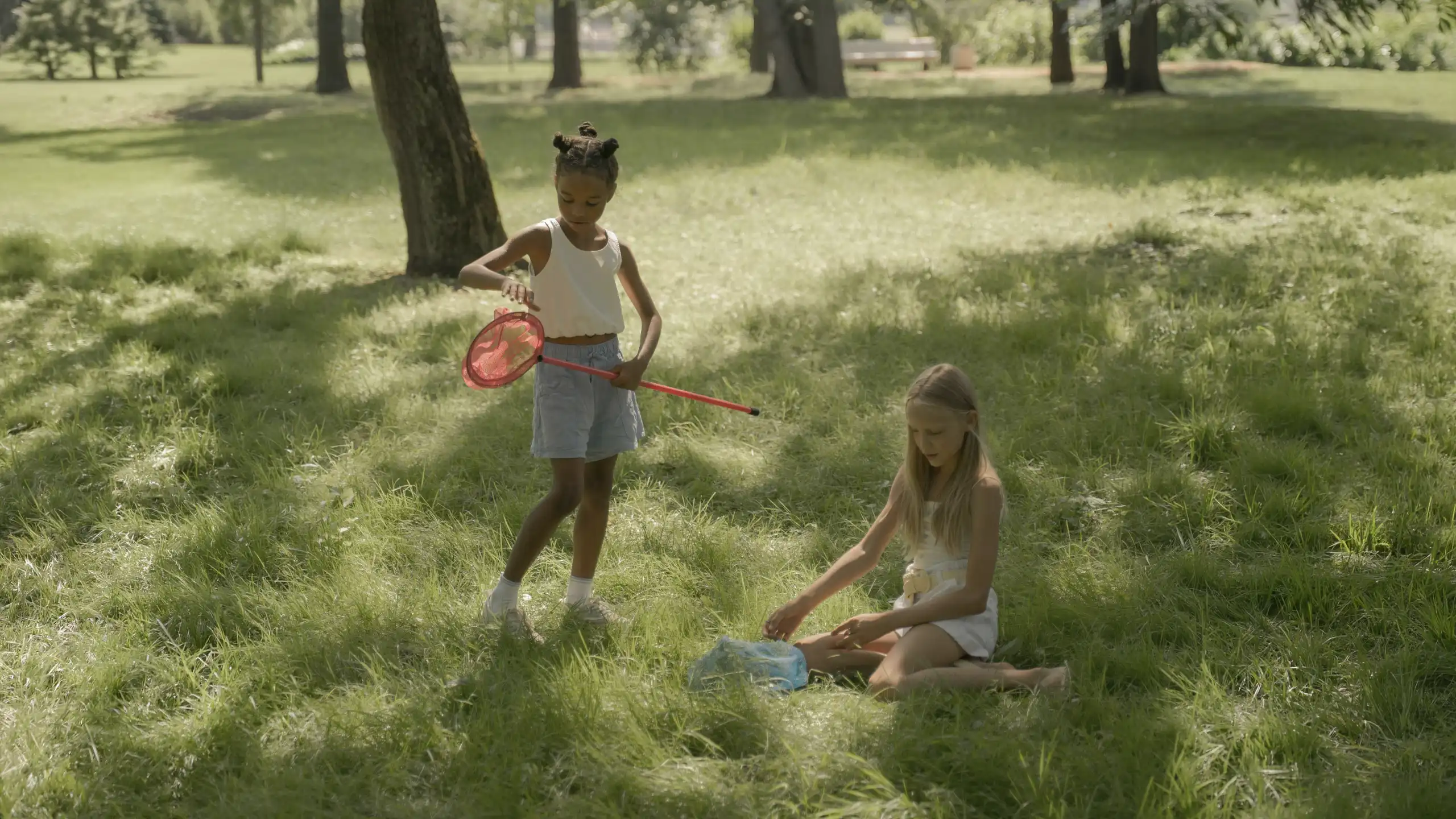
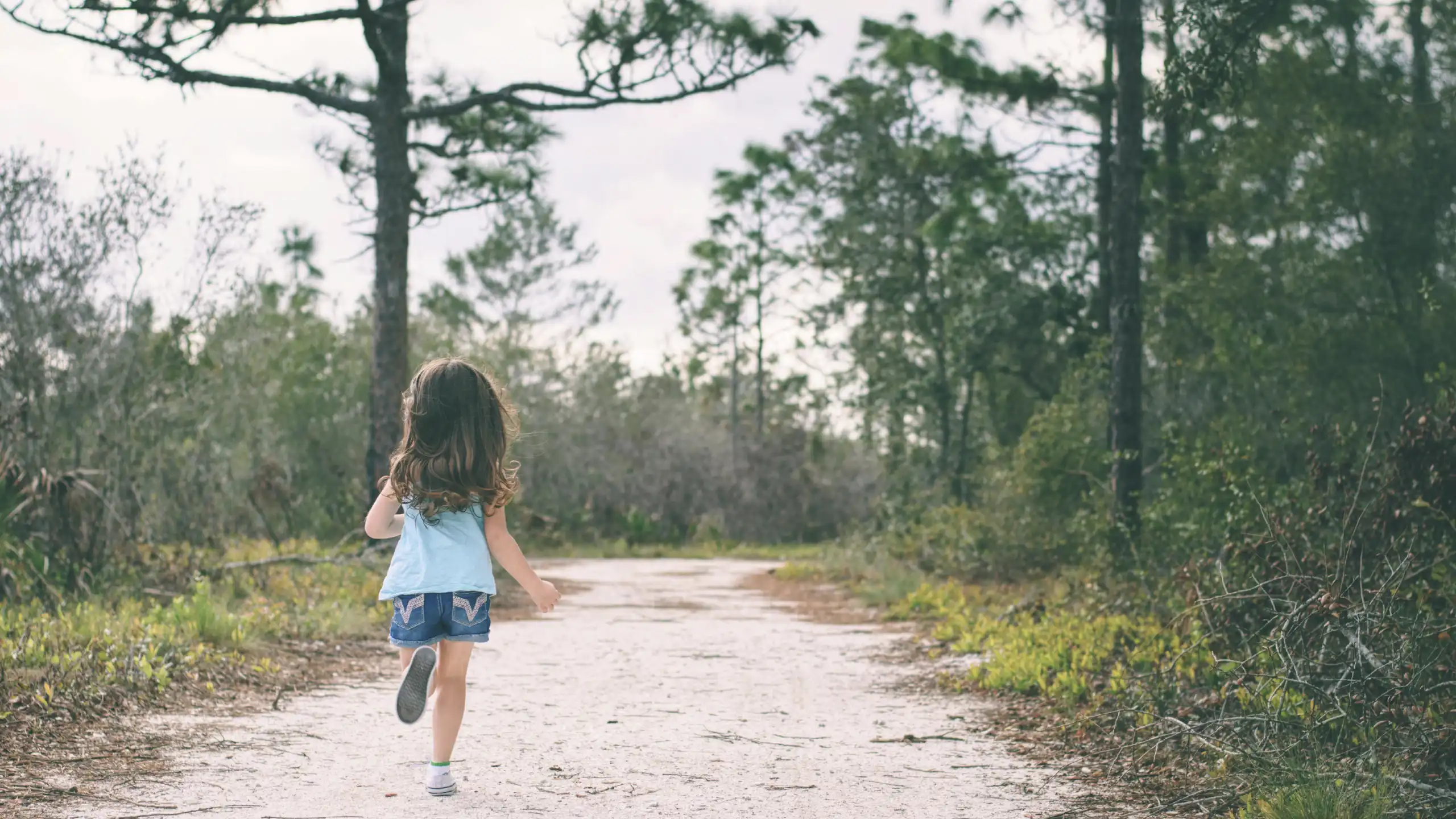

Walk into a forest with a child and watch what happens.
They climb rocks, test branches, build shelters from sticks, invent games, and wander down paths simply to see where they lead. None of it is structured. No one assigns rules or objectives. Yet beneath this seemingly aimless activity, something profound is happening: the developing brain is learning how to think.
For parents making decisions about where to live, this raises an important question—what kind of environment will shape your child’s thinking, independence, and future?
Nature as a Foundation for Cognitive Growth
A growing body of research shows that unstructured outdoor play—especially in natural environments—supports the development of executive function: the mental skills that help children plan, focus, adapt, and make decisions.
According to research published in Frontiers in Psychology, natural play environments encourage independent problem-solving and planning because they don’t prescribe how they should be used. A fallen tree can be a bridge, a balance beam, or the start of a fort. Each choice requires evaluation, creativity, and adjustment.
In contrast to structured activities, nature invites children to think for themselves.
The Missing Piece in Modern Childhood
Today, childhood is often defined by schedules—organized sports, after-school programs, and screen-based entertainment. While these have value, studies suggest they don’t fully replace the benefits of unstructured play.
The American Academy of Pediatrics emphasizes that free, self-directed play is essential for developing creativity, resilience, and problem-solving skills.
Children need time and space to:
- Invent their own games
- Take manageable risks
- Navigate challenges independently
These are the moments where real cognitive growth happens.
Why Community Design Changes Everything
If unstructured outdoor play is so important, the next question becomes practical: where does it actually happen?
Not every neighborhood makes it easy.
Busy roads, lack of green space, and disconnected planning often mean kids stay indoors. Nature becomes something you have to drive to—if you can find the time.
That’s where intentional community design makes a difference.
A Different Kind of Childhood at Rye Ranch
At Rye Ranch, nature isn’t an occasional outing—it’s part of everyday life.
With walkable access to Rye Ranch Elementary School, a trail system, parks, playgrounds, outdoor gathering areas, and preserved natural spaces, children can move seamlessly between learning, exploration, and play.
And just next door, Rye Preserve expands that experience even further, offering miles of trails, riverfront views, and native habitats just minutes away.
Here, kids don’t need structured plans to stay engaged. Their environment does the work:
- Walking or biking to school becomes part of the day
- Open spaces invite spontaneous play
- Trails turn into daily adventures
Movement, Environment & Learning
Research from Physiology & Behavior comparing indoor and outdoor activity has found that physical activity in natural environments can lead to stronger improvements in cognitive functioning than similar activity indoors.
Scientists attribute this to a combination of:
- Physical movement
- Sensory stimulation
- Novelty and exploration
- Real-time problem-solving
Together, these create a richer, more dynamic learning environment—one that strengthens the brain in ways screens and structured settings cannot.
The Decision That Shapes Everything Else
Choosing a home is about more than square footage or price point. It’s about the daily experiences that shape your child’s development.
Where will they explore?
Where will they solve problems on their own?
Where will they learn to think independently?
At Rye Ranch, those opportunities are built into the landscape itself.
Because sometimes the most important feature of a community isn’t what’s inside the home—it’s what happens just outside the front door.
Back to news & stories