
Children don’t learn social skills from lectures.
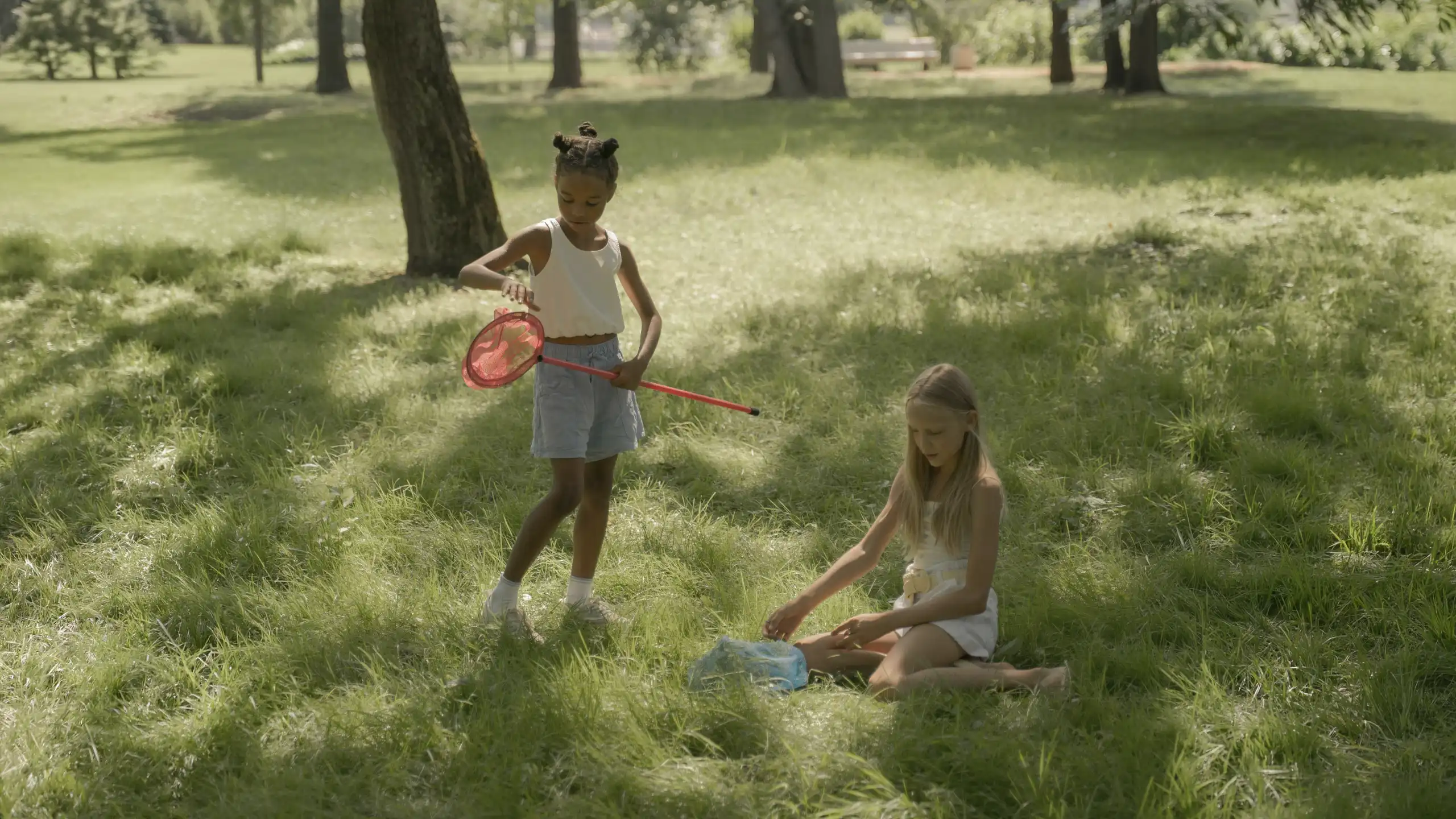
They learn them in the middle of games, in the negotiation of rules, in the small conflicts over whose turn it is, and in the shared excitement of building something together.
And increasingly, where those moments happen matters.
The Social Power of Unstructured Play
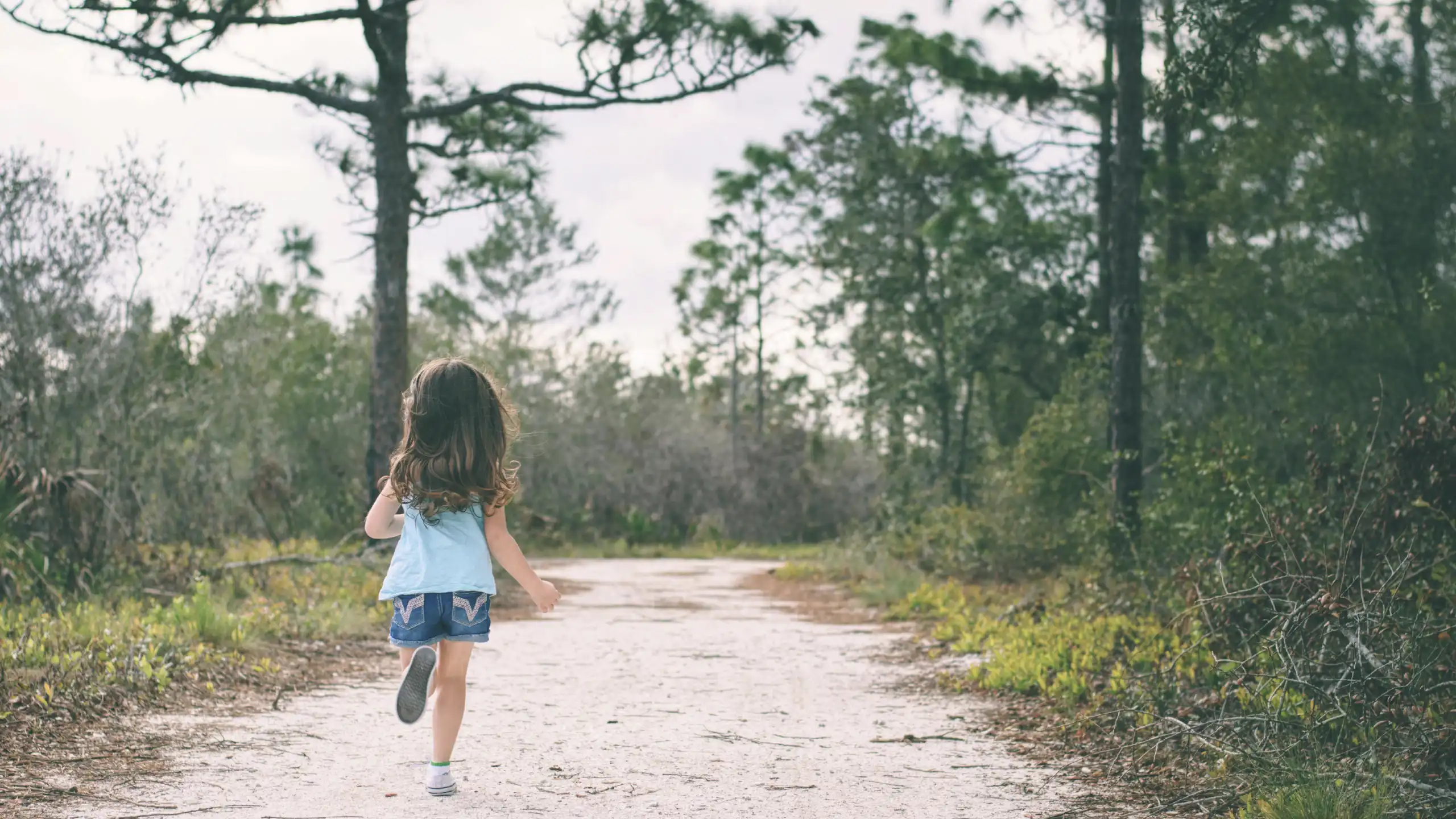
Unstructured play—especially outdoors—creates the perfect environment for social development.
Without adult direction, children must:
- Communicate their ideas
- Negotiate roles and rules
- Resolve disagreements
- Adapt to group dynamics
According to the Harvard Center on the Developing Child, these types of interactions are critical for building what are known as “social-emotional skills,” including cooperation, empathy, and self-regulation.
Unlike structured activities, where adults guide outcomes, free play requires children to figure things out together.
Why Nature Makes Social Interaction Stronger
Natural environments add another layer to this process.
Research from UNICEF shows that outdoor play settings encourage more cooperative and imaginative play compared to built playgrounds or indoor environments. Because nature is open-ended, children must collaborate to create the experience itself.
A pile of sticks becomes a fort—but only if everyone agrees on how to build it.
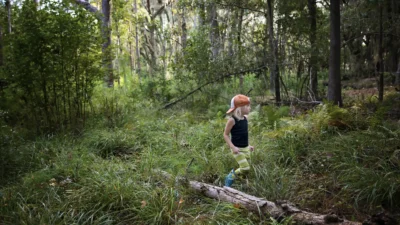
A trail becomes an adventure—but only if the group decides where to go.
These shared decisions strengthen communication and teamwork.
Emotional Regulation & Social Confidence
Social skills are deeply connected to emotional regulation—the ability to manage reactions, handle frustration, and respond to others appropriately.
Studies published in journals like The British Journal of Psychiatry have found that children who spend more time in nature show lower stress levels, improved mood, and better emotional control.
This matters because children who can regulate their emotions are better able to:
- Navigate social situations
- Handle conflict
- Build lasting friendships
Nature, in this way, becomes more than a backdrop. It becomes a training ground for social confidence.
The Role of Neighborhood Design
But just like cognitive development, these benefits depend on access.
If children don’t have safe, nearby places to gather and play, social interaction becomes limited—or moves online.
Many modern neighborhoods unintentionally isolate families:
- Long commutes reduce free time
- Car-dependent layouts limit independence
- Lack of shared spaces reduces spontaneous interaction
The result? Fewer everyday opportunities for kids to simply meet, play, and connect.
A Community Built for Connection at Rye Ranch
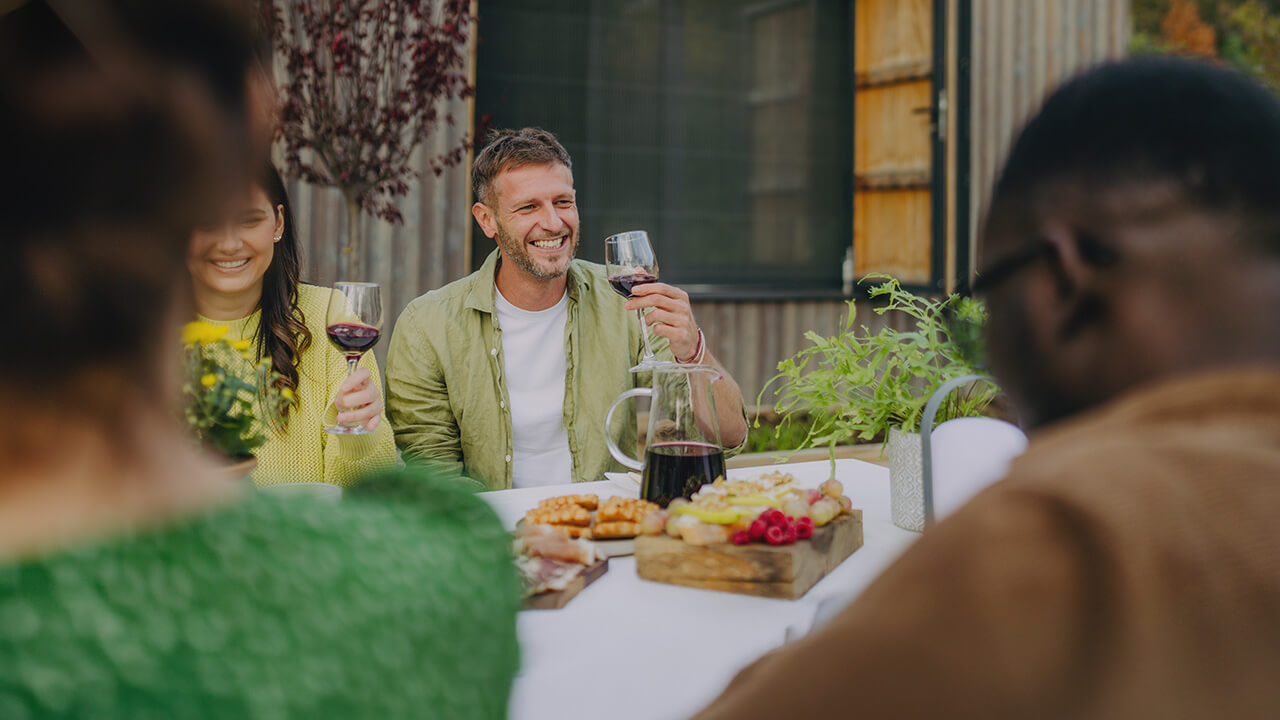
Rye Ranch is designed to bring children—and families—together.
Walkable streets, trails, shared green spaces, and an onsite elementary school naturally create daily moments of interaction. Kids see each other walking to school, riding bikes, and playing outside—not just during scheduled activities, but throughout the day.
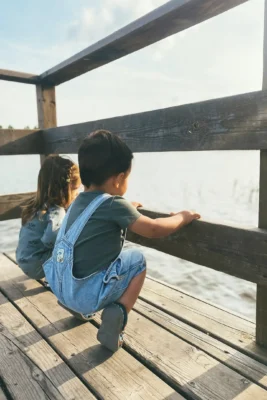
Groups of kids can explore together, creating shared experiences that strengthen friendships.
It’s the kind of place where:
- Play happens organically
- Friendships form naturally
- Parents feel comfortable letting kids roam
From Playmates to Lifelong Skills
When children grow up in an environment that supports unstructured, social play, the benefits extend far beyond childhood.
They develop:
- Stronger communication skills
- Greater empathy and cooperation
- Confidence in group settings
- The ability to navigate complex social dynamics
These are the same skills that support success in school, relationships, and eventually, the workplace.
A Simpler, Stronger Way to Grow Up
Childhood doesn’t need to be over-engineered to be meaningful. Sometimes, what kids need most is time, space, and a community that makes connection easy.
At Rye Ranch, those elements come together—creating not just a place to live, but a place where children can build friendships, confidence, and the social skills that will carry them through life.
Because the best lessons aren’t always taught. Sometimes, they’re simply played out—together, outside.
Back to news & stories